Best Basking Bulbs for Bearded Dragons
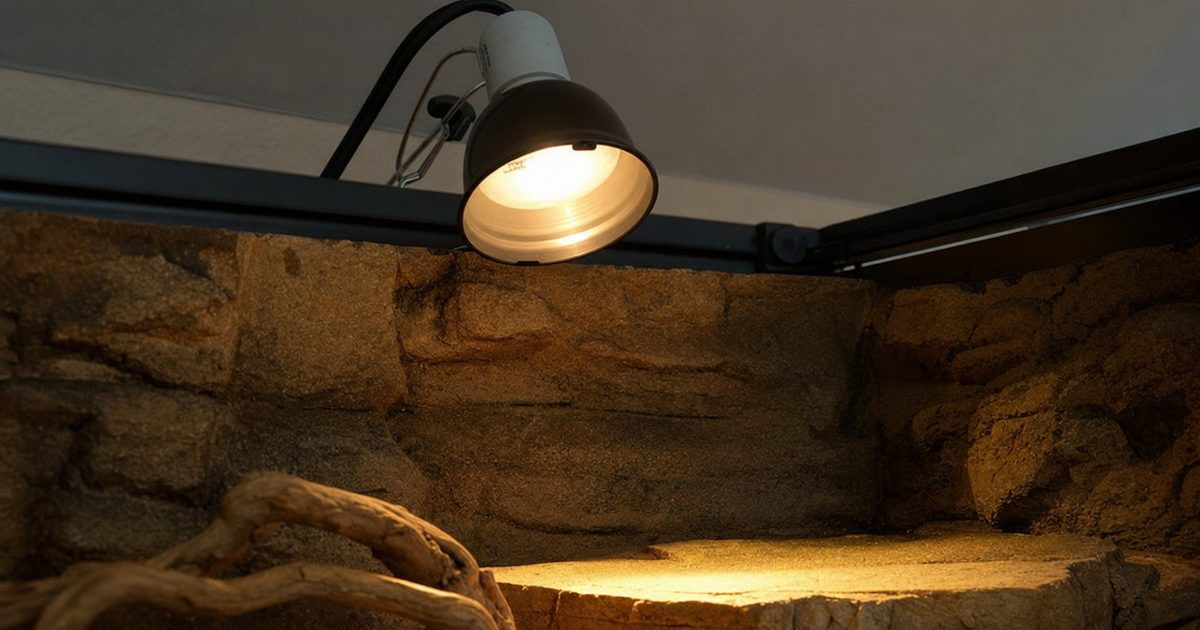
A bearded dragon is a desert basker — it needs a bright, hot basking spot at one end and a cooler retreat at the other, so it can move between them to control its own body temperature. The basking bulb is the engine of that gradient. This guide compares heat lamps on the specs that decide the fit: type, wattage, thermostat compatibility, coverage and socket.
Verified picks land in each slot once real product data is in. For now, this is the framework: what each spec changes, so you can shortlist a bulb that builds the right gradient for your enclosure.
Specs verified against manufacturer details and current Amazon listings — no hands-on testing claims. Basking temperatures are general husbandry ranges sourced to manufacturer documentation and reputable herpetological references; always verify for your dragon. This is general husbandry information, not veterinary advice.
How to choose a basking bulb for a bearded dragon
A bearded dragon is a desert basker. In the wild it shuttles between a hot, sun-soaked basking site and shaded retreats, raising and lowering its body temperature on demand. In an enclosure, the basking bulb is the artificial sun that drives that gradient. The job of the bulb is to create one bright, hot spot the dragon can climb under to reach its target basking temperature, while leaving the far end of the enclosure cool enough to retreat to. Get the basking-spot temperature right and the dragon can thermoregulate, digest and stay active; get it wrong and no amount of décor fixes it.
The specs below decide whether a bulb can build that gradient in your enclosure: bulb type sets the quality and direction of the heat, wattage and basking-spot distance together set how hot the spot runs, thermostat compatibility sets how it is controlled, and coverage and socket set whether it physically fits your setup. The single most important point to hold onto: wattage is a starting point, not an answer. You pick a wattage, measure the basking surface with a digital probe, and tune from there.
Bulb type: halogen flood, white basking and ceramic heat emitter
Bulb type is the first decision because it sets what kind of heat — and whether there is light — the bulb produces. A desert species wants bright, focused daytime heat, which points toward a halogen flood or white basking bulb during the day; a heat source with no light, a ceramic heat emitter, has a different job for maintaining temperature at night.
A halogen flood bulb produces intense, directional heat and bright white light in one fixture. Spec-by-spec, that focused beam creates the tight, hot basking spot a bearded dragon wants and delivers the daytime brightness a diurnal desert animal expects, which is why halogen floods are a common modern choice for the basking site. A standard white basking bulb works on the same principle of heat plus visible light. A ceramic heat emitter (CHE) is different in kind: it radiates heat but emits no light at all. Spec-by-spec, that no-light property makes a CHE useful for holding a minimum night temperature when the room gets too cold, because it warms the enclosure without disrupting the dragon's day-night cycle. The two are complementary, not competitors — a halogen or white flood for the daytime basking spot, and a CHE only if and when night temperatures need topping up.
What a desert basker does not want is a basking source that produces heat without the bright, directional light it associates with the sun, used as the primary daytime spot. The bright, focused beam is part of what makes the basking site work for a diurnal animal.
Wattage and basking-spot distance
Wattage is the most misunderstood spec on the page, because people treat it as a fixed prescription. It is not. The temperature at the basking surface depends on three things at once: the bulb's wattage, the distance from the bulb to the basking spot, and the ambient temperature of the room. Spec-by-spec, the same 75-watt bulb that produces a perfect basking spot at one distance in a warm room will run too cool in a cold room or too hot if the basking platform is moved closer. That is why wattage is a starting point you tune.
The correct method is to choose a sensible wattage for your enclosure size and basking height, install it, let it stabilise, then measure the temperature on the actual basking surface with a digital probe thermometer — not a stick-on dial, which reads the glass, not the spot the dragon sits on. If the surface is below the target basking temperature, raise the wattage or lower the distance; if it is above, do the reverse. The published basking-temperature range for a bearded dragon is the target you are tuning toward; treat it as general husbandry guidance and verify the figure for your dragon. A higher-wattage bulb is not "better" — it is simply hotter, and the goal is the right surface temperature, not the biggest number.
Thermostat compatibility and control
How a heat source is controlled depends on the type. A white basking or halogen flood bulb provides bright light, so it is generally not run on a dimming thermostat (dimming changes the light as well as the heat); instead its output is set by wattage and distance and switched with a day-night timer, and the gradient is built by getting the wattage-and-distance combination right. A ceramic heat emitter, which produces no light, is the heat source you do run on a thermostat — typically a pulse or on/off thermostat — so the night heat can never run unregulated hot.
The non-negotiable principle underneath all of this is simple: no heat source should ever be able to overheat the animal. For light-producing basking bulbs that means choosing the wattage and distance so the basking spot lands in range and the cool end stays cool; for a CHE it means a thermostat. If you are unsure which thermostat type pairs with which heat source, the heating and thermostats hub walks through on/off versus dimming control in plain English.
Coverage and socket
The last two specs are about physical fit. Coverage describes how wide and focused the beam is — a tight flood concentrates heat on a small basking platform, which is usually what you want for a single basking site, while a broader spread heats a wider area more gently. Match the beam to the size of your basking platform and enclosure. Socket is simply the fitting: most reptile basking bulbs use a standard screw base, but you need a ceramic-rated lamp holder and fixture, because heat lamps and especially ceramic heat emitters run hot enough to damage plastic sockets. Confirm the bulb's socket type matches a heat-rated fixture before you buy.
Heat is one layer — the light is the next
A basking bulb builds the heat half of a bearded dragon's environment, but a desert species also has a high UVB requirement that a heat lamp does not meet. The next step after the heat gradient is the lighting: see the guide to the best UVB lights for bearded dragons for the index and mounting height a desert basker needs. To check the wattage band, UVB strength and thermostat type your species needs together, run the UVB and heat and enclosure matcher, and if you are still choosing between heat sources, the heating and thermostats hub compares basking lamps, ceramic heat emitters and heat panels side by side.
The bulbs compared
| Best for | Type | Wattage | Thermostat-compatible | Coverage | Socket |
|---|---|---|---|---|---|
| Best overall | Incandescent basking spot | Multiple wattages (e.g. 50-150W) | Dimming thermostat only | Focused basking spot | E26 standard |
| Best budget | Incandescent basking spot | 100 W | Dimming thermostat only | Basking spot | E26 standard |
| Best ceramic heat emitter | Ceramic heat emitter (no light) | 100 W | Yes (on/off or pulse stat) | Radiant area heat | E26 ceramic socket required |
| Best halogen flood | Halogen flood | 150 W | Dimming thermostat only | Wide flood basking zone | E27/E26 |
| Best for large enclosures | Incandescent basking / heat | 150 W | Dimming thermostat only | Large basking zone (high output) | E26 standard |
Our top picks
Best overall: Zoo Med Repti Basking Spot Lamp for Reptiles
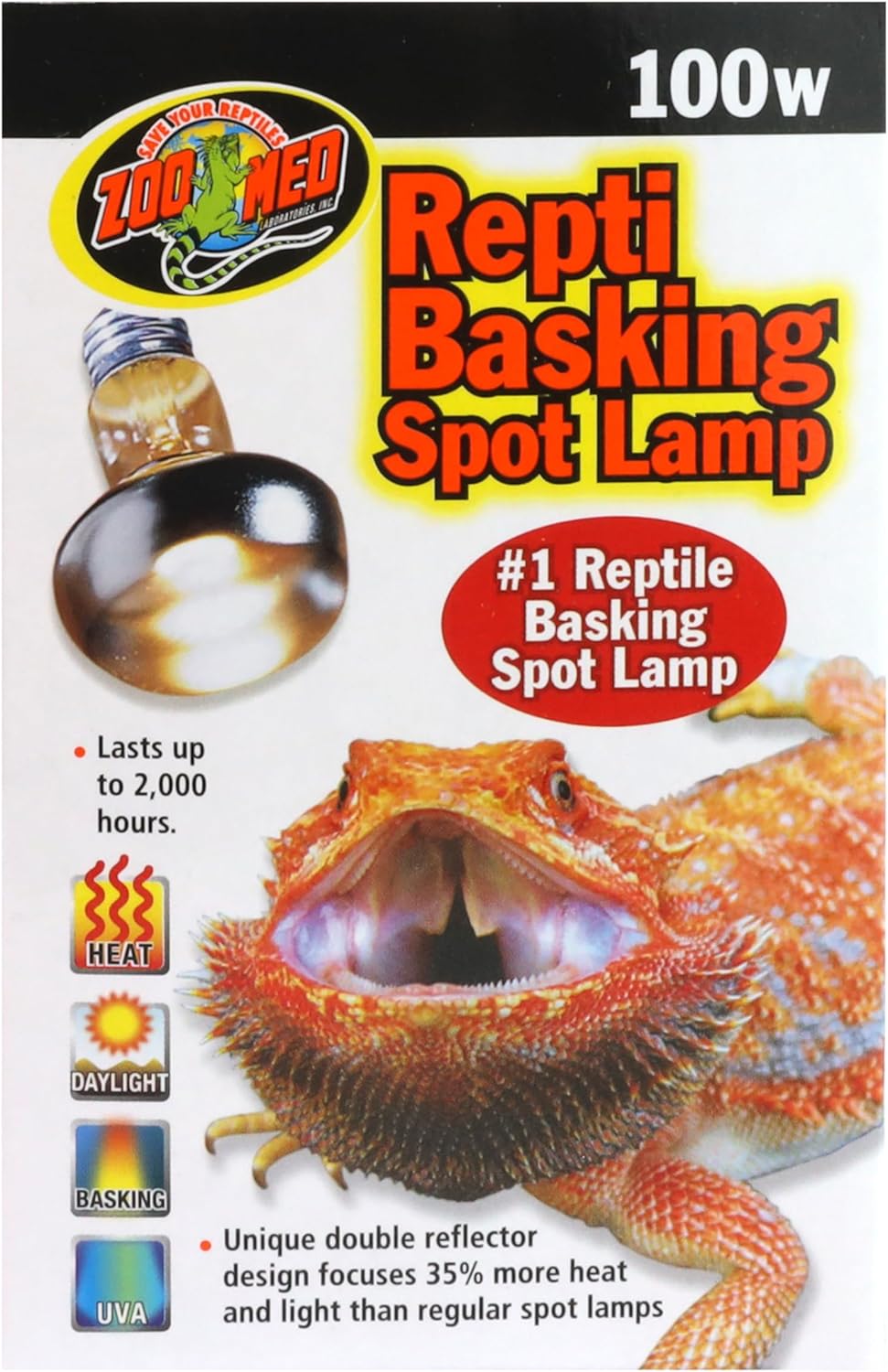
Best overall
Zoo Med Repti Basking Spot Lamp for Reptiles
Zoo Med
- Type: Incandescent basking spot
- Wattage: Multiple wattages (e.g. 50-150W)
- Thermostat-compatible: Dimming thermostat only
- Coverage: Focused basking spot
- Socket: E26 standard
The Zoo Med Repti Basking Spot uses a focused reflector to create a tight, hot basking zone with raised UVA output. It is the best all-round basking bulb for bearded dragons that need a defined hot spot.
Last checked 2026-06-15
Best budget: ReptiKing Basking Light for Reptiles, 2-Pack 100W Basking Spot Heat Lamp Bulbs

Best budget
ReptiKing Basking Light for Reptiles, 2-Pack 100W Basking Spot Heat Lamp Bulbs
ReptiKing
- Type: Incandescent basking spot
- Wattage: 100 W
- Thermostat-compatible: Dimming thermostat only
- Coverage: Basking spot
- Socket: E26 standard
ReptiKing's 2-pack of 100W basking bulbs covers heat needs at a low per-bulb price with a spare on hand. It suits budget keepers who want reliable basking heat and a backup bulb.
Last checked 2026-06-15
Best ceramic heat emitter: LUCKY HERP 100W Ceramic Heat Emitter, Reptile Infrared Heat Lamp (No Light)

Best ceramic heat emitter
LUCKY HERP 100W Ceramic Heat Emitter, Reptile Infrared Heat Lamp (No Light)
LUCKY HERP
- Type: Ceramic heat emitter (no light)
- Wattage: 100 W
- Thermostat-compatible: Yes (on/off or pulse stat)
- Coverage: Radiant area heat
- Socket: E26 ceramic socket required
The LUCKY HERP ceramic heat emitter radiates infrared heat with no visible light, ideal for maintaining night-time temperatures. It is the best CHE pick and pairs well with a standard on/off thermostat.
Last checked 2026-06-15
Best halogen flood: Arcadia Golden Sun Basking Flood Lamp 150W Halogen Reptile Basking Bulb

Best halogen flood
Arcadia Golden Sun Basking Flood Lamp 150W Halogen Reptile Basking Bulb
Arcadia
- Type: Halogen flood
- Wattage: 150 W
- Thermostat-compatible: Dimming thermostat only
- Coverage: Wide flood basking zone
- Socket: E27/E26
The Arcadia Golden Sun is a halogen flood that delivers efficient heat plus visible and infrared-A output closer to natural sunlight. It is the best halogen pick for keepers wanting a brighter, more natural basking light.
Last checked 2026-06-15
Best for large enclosures: 150W Reptile Basking Heat Bulb, 2-Pack UVA Daylight Heat Lamp for Bearded Dragons and Large Enclosures
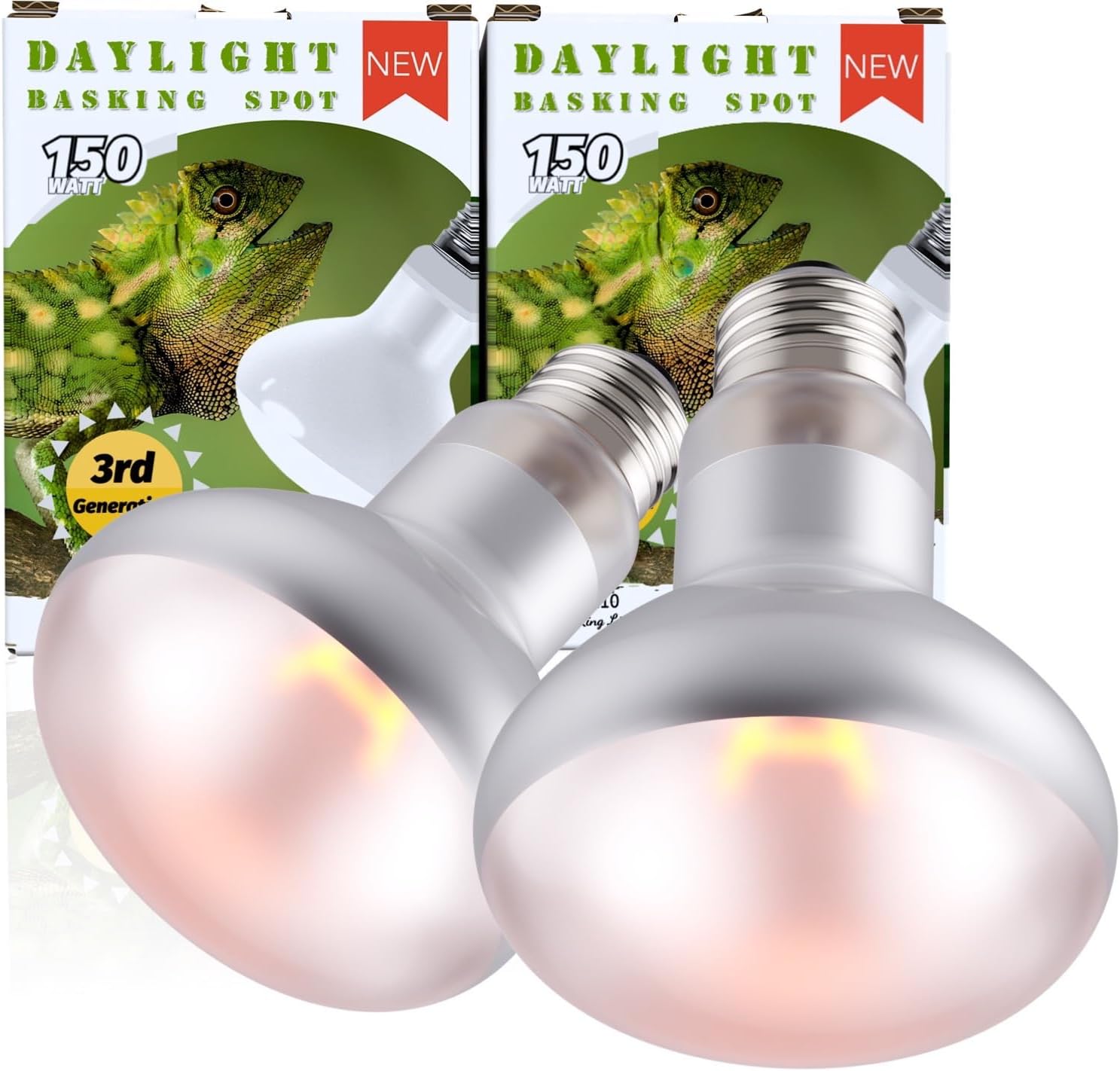
Best for large enclosures
150W Reptile Basking Heat Bulb, 2-Pack UVA Daylight Heat Lamp for Bearded Dragons and Large Enclosures
Generic
- Type: Incandescent basking / heat
- Wattage: 150 W
- Thermostat-compatible: Dimming thermostat only
- Coverage: Large basking zone (high output)
- Socket: E26 standard
This 150W 2-pack provides high heat output suited to taller or larger enclosures where the bulb sits far from the basking platform. It suits keepers heating big bearded-dragon setups that need extra wattage to hit basking temps.
Last checked 2026-06-15
Frequently asked questions
What wattage basking bulb does a bearded dragon need?
It depends on the enclosure size, the basking-spot distance and the room temperature, so wattage is a starting point you tune to hit the target basking temperature with a digital probe — not a fixed number. Set the bulb, measure the basking surface, and adjust. Treat published basking temperatures as general husbandry ranges and verify for your dragon.
Do I need a thermostat with a basking bulb?
A standard white basking or halogen flood bulb is not run on a dimming thermostat, so the gradient is controlled by wattage, height and an on/off timer — but a ceramic heat emitter used for night heat must run on a thermostat. Whatever the heat source, the warm end must never run unregulated hot. See the thermostat guides for the details.
Halogen flood or ceramic heat emitter for a bearded dragon?
Both have a job. A halogen or white flood bulb gives bright, focused basking heat and light during the day, which is what a desert basker wants. A ceramic heat emitter gives heat with no light, so it is useful for maintaining night temperatures when needed. This guide compares them on the specs that matter.
Why measure the basking spot instead of trusting the wattage?
The temperature at the basking surface depends on the wattage, the distance from the bulb, and the room temperature all at once, so the same bulb runs hotter or cooler in different setups. The only reliable way to know the basking spot is in range is to measure the surface with a digital probe thermometer and tune the wattage or distance from there. Treat published basking temperatures as general husbandry ranges to verify for your dragon.
Does a bearded dragon need heat at night?
Only if the room drops below the species’ acceptable night minimum — many bearded dragons tolerate a natural night-time cooldown. If supplemental night heat is needed, a ceramic heat emitter on a thermostat is the usual choice because it warms without light and so does not disrupt the day-night cycle. Verify the acceptable night range for your dragon and never run a night heat source unregulated.
Do basking bulbs provide UVB?
No. A standard basking, halogen or ceramic heat source provides heat (and, for the light-producing types, visible light) but not the UVB a desert species needs. UVB comes from a separate UVB tube or lamp. Pairing the heat source with the correct UVB at the correct mounting height is essential — see the UVB lights guide for the index and distance a bearded dragon needs.